Mauritius Real Estate Market: Interview with Delphine Raffray
1. Hello Delphine! Can you tell us about your agency and its identity on the Mauritian real estate market?
L'ADRESSE IMMO is a boutique agency established in Mauritius for almost 15 years and specialized in the sale and rental of residential and commercial properties. We are a 100% female team, made up of 6 motivated and active women. We have many years of experience. We have an office right on the main road in Pointe aux Canonniers and we cover the entire island. We carefully select the properties we want to work on to offer our clients the property that exactly meets their expectations. Our identity is based on personalized support, in-depth knowledge of the Mauritian market and a strong focus on quality of service. We support both local and international clients, securing each real estate project with transparency and professionalism.
2. What does the share between rental and purchase represent in your business?
Our business is relatively balanced between rental and sales. One cannot dissociate itself from the other within an agency. However, the rental market is a fast-moving market, with the frequent arrival of expats in Mauritius. We make sure to keep in constant contact with our customers, to make sure that everything is going well for them, both for tenants and landlords. The sales market is always dynamic with trends that vary according to market change. However, we are much more focused on the local market. Owners, as well as future buyers, request our services for our expertise, our relationship, our professionalism, our experience and our knowledge of the market. The main requests we receive are for residency or long-term investment projects. We give our best advice to the owners, and we do an appraisal for the sale and rental price of their property.
3. Which regions of the island are attracting the most interest today, and why?
In the Mauritian real estate market today, some regions are attracting particularly strong interest because they combine quality of life, economic dynamism and development potential. Mauritians have their "favourite spot" and often they remain loyal to it. First of all, the north of the island — and in particular Pointe aux Canonniers, Grand Baie, Pereybère and Mont Choisy as well as the prime residential developments such as Belle-Vue, Bon Espoir, Hillside among others — remains the most popular area, thanks to its seaside living environment, its infrastructure, its international schools nearby. The coastal regions are attracting more interest in seasonal and long-term rentals. It is a safe bet for buyers and investors, both local and international. The west coast — with Tamarin and Black River — also attracts a lot of interest, thanks to its natural surroundings, beaches and more relaxed lifestyle, while still being close to modern services and amenities. Beachfront properties are always very attractive. Moka and the Smart Cities in the center of Mauritius are also highly sought-after, particularly by families and professionals who prefer proximity to business centers and modern infrastructure.
4. What advice would you give to a Mauritian or resident buyer who wants to position himself in the real estate market today?
My main advice would be to define his project and his financial capacities well in advance, taking into account not only the price of the property but also the additional costs. The market now offers real opportunities, especially for properties in good locations and at attractive prices. It is important to focus on the quality of the location and the long-term potential rather than a passing real estate fad. Focus on a "good neighborhood" for the best quality of life. Finally, being accompanied by a professional allows the buyer to avoid mistakes, secure the transaction and make a choice that is aligned with his life or investment goals. We are committed to advising our clients on their needs and those of their families, the distances to be travelled to school or their place of work, among other things.
5. More and more facilities are being given to foreigners to invest in Mauritius. Is it bearing fruit?
The opening of the real estate market to foreign investors is a real benefit for the Mauritian economy: it generates investment, employment and participates in the development of the country. However, it has also contributed to an increase in property prices, making it more difficult for part of the local population to access property. This reinforces the need to develop an offer that is better suited to middle-class Mauritians. While the facilities granted to foreigners are a step in the right direction and stimulate demand, administrative burdens can be a hindrance. The delays in obtaining authorizations from institutions can extend over several months, leading, in some cases, to cancellations and a lot of frustration, both for buyers and sellers. This also impacts real estate agents, for whom a large part of their time is mobilized by long and complex administrative procedures, to the detriment of their primary role: to support and advise their clients.
6. How do you see the evolution of the Mauritian real estate market in the coming years, especially in terms of real estate offers and foreign demand?
The evolution of the Mauritian real estate market in the coming years will remain positive overall. Mauritius retains major assets — political stability, quality of life, etc. which always make it interesting and wise, to invest in real estate. Foreign demand, not only in the high-end sectors but also in small homes acquired for a rental investment or as a secondary home will, I believe, continue to play a significant role. That said, we are now seeing a trend among developers to massively develop projects aimed at high-end foreign customers, because the margins are more attractive. This is understandable from a commercial point of view, but it poses a real question for the local market. Indeed, the real estate offers and access to housing for young Mauritian households or the middle class remain major challenges. The country needs more affordable projects in an environment where young families can access property ownership without being excluded by prices that are beyond the reach of many. As I mentioned above, for the market to develop in a balanced way, it would be desirable to see more projects emerge that meet the needs of Mauritians, while maintaining the attractiveness for international investors. This is an essential balance for the health of the real estate market in the medium and long term.
Featured Properties
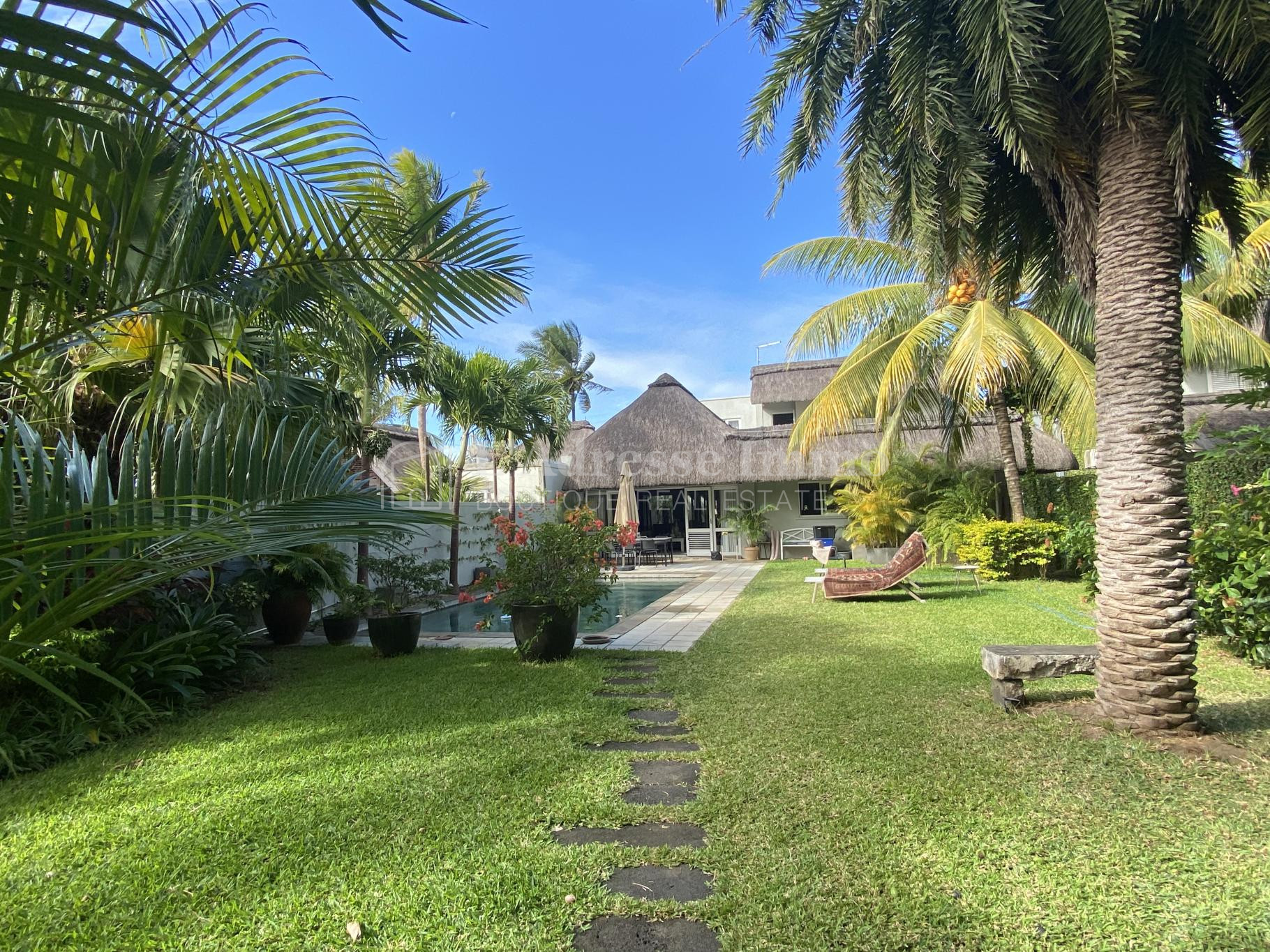
Superb comfortable beachfront villa for sale in Grand-Baie in a prime location offering magnificent sea views from the moment you enter the villa. The...
for Sale
₨ 108 M
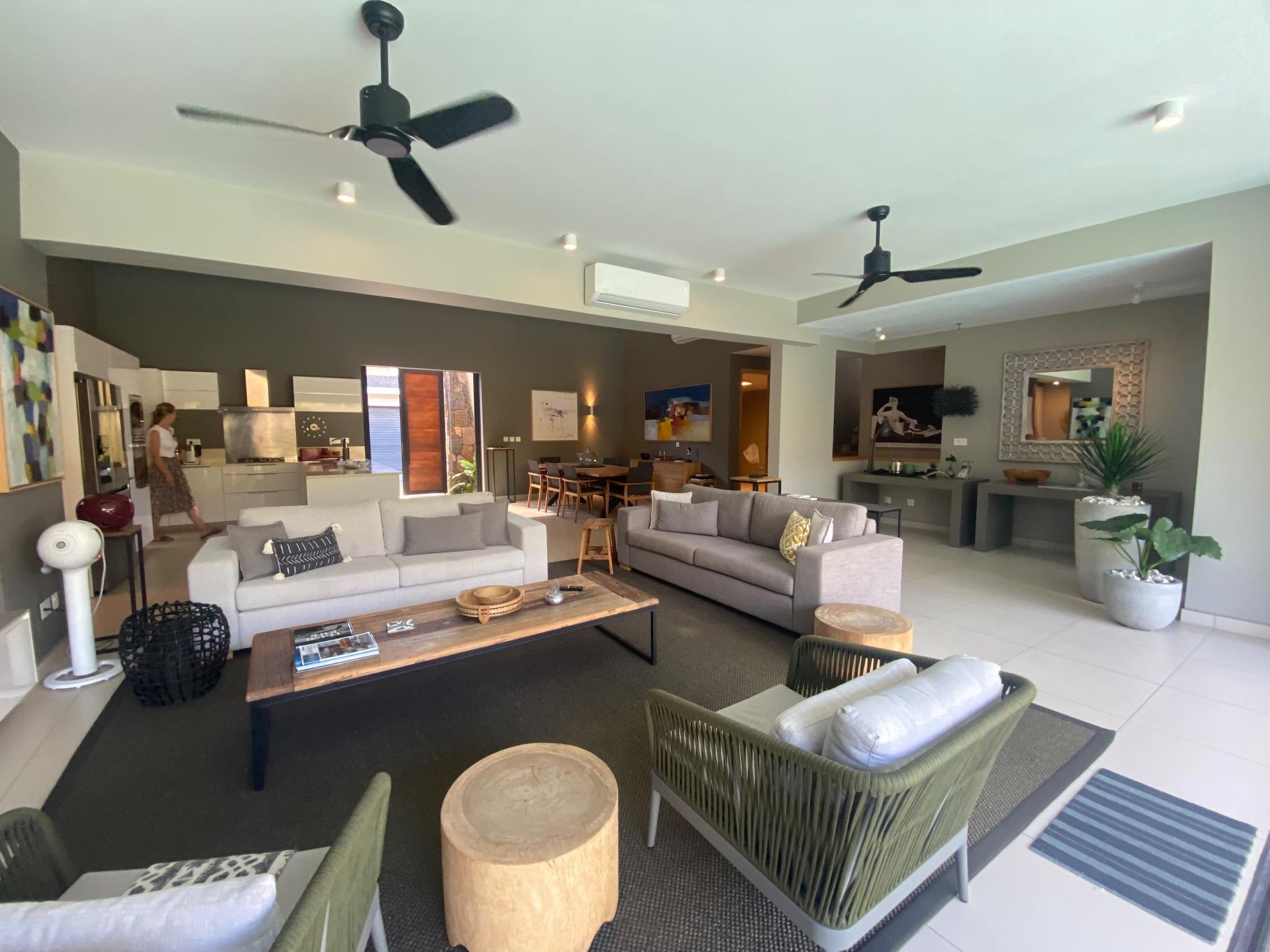
Own a luxury 4-Bedroom Villa for Sale in Pereybere, Grand Baie all with en-suite bathroom, ensuring maximum comfort and privacy for family members and...
for Sale
€ 1,400,000
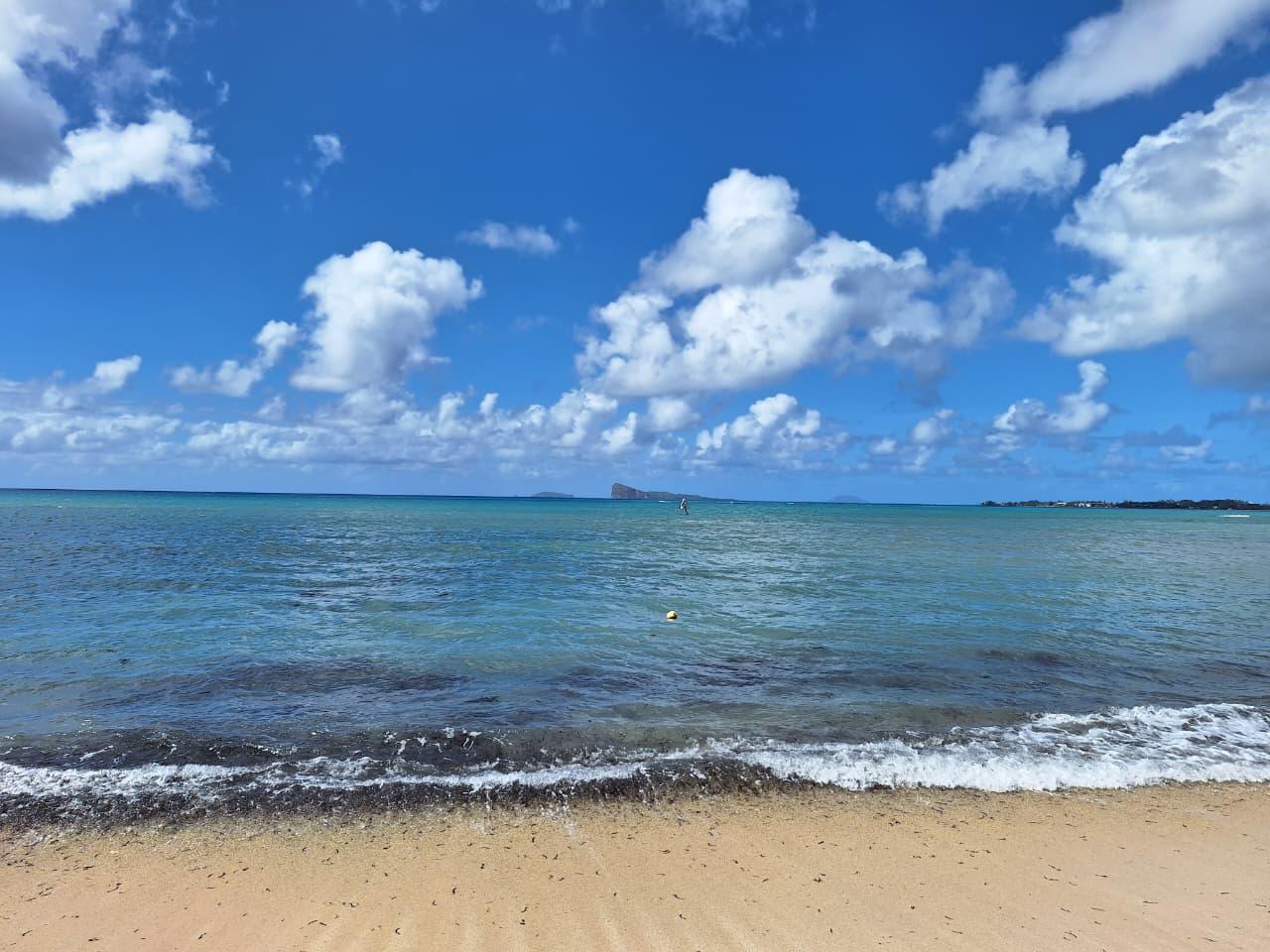
Ideally located in one of the island’s most sought-after neighborhoods, this property offers direct access to the lagoon and breathtaking sea views....
for Sale
€ 1,500,000